
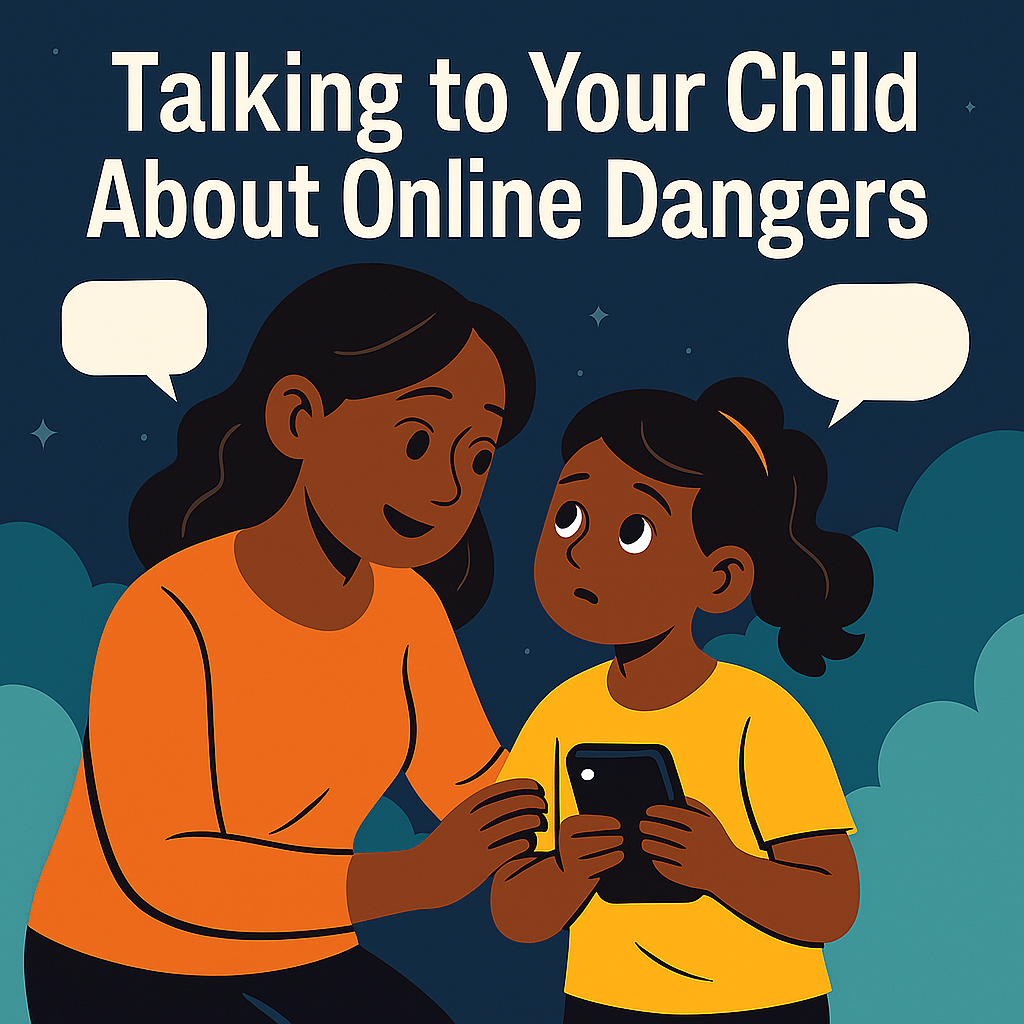
Online grooming is one of the most dangerous — and misunderstood — risks facing kids today. Groomers often don’t start with scary messages. They start by building trust.
Download our full Guide for Teachers to identify and respond to online grooming.
What Grooming Looks Like
Groomers use flattery, attention, and emotional connection to manipulate children. It can start as simple as:
- “You’re really mature for your age.”
- “Don’t tell anyone we’re chatting, this is our little secret.”
- “I can help you with your problems — I get you.”
They may pretend to be younger, send gifts, or slowly ask for personal photos.
Red Flags for Parents and Teachers
- Your child becomes secretive about their phone
- They’re suddenly close with an online “friend” you’ve never met
- They hide messages or change screens quickly
- They talk about someone older who “understands” them
What To Do If You Suspect Grooming
- Stay calm — your child needs to feel safe opening up
- Ask open questions like “How did you meet them?” or “Has anyone made you feel uncomfortable online?”
- Document any messages or screenshots
- Block and report the person on the platform
- Contact local authorities or Childline SA if needed
Most importantly: Reassure your child that it’s not their fault. Groomers are skilled manipulators — education is the best shield.